 Sustainable Saunas
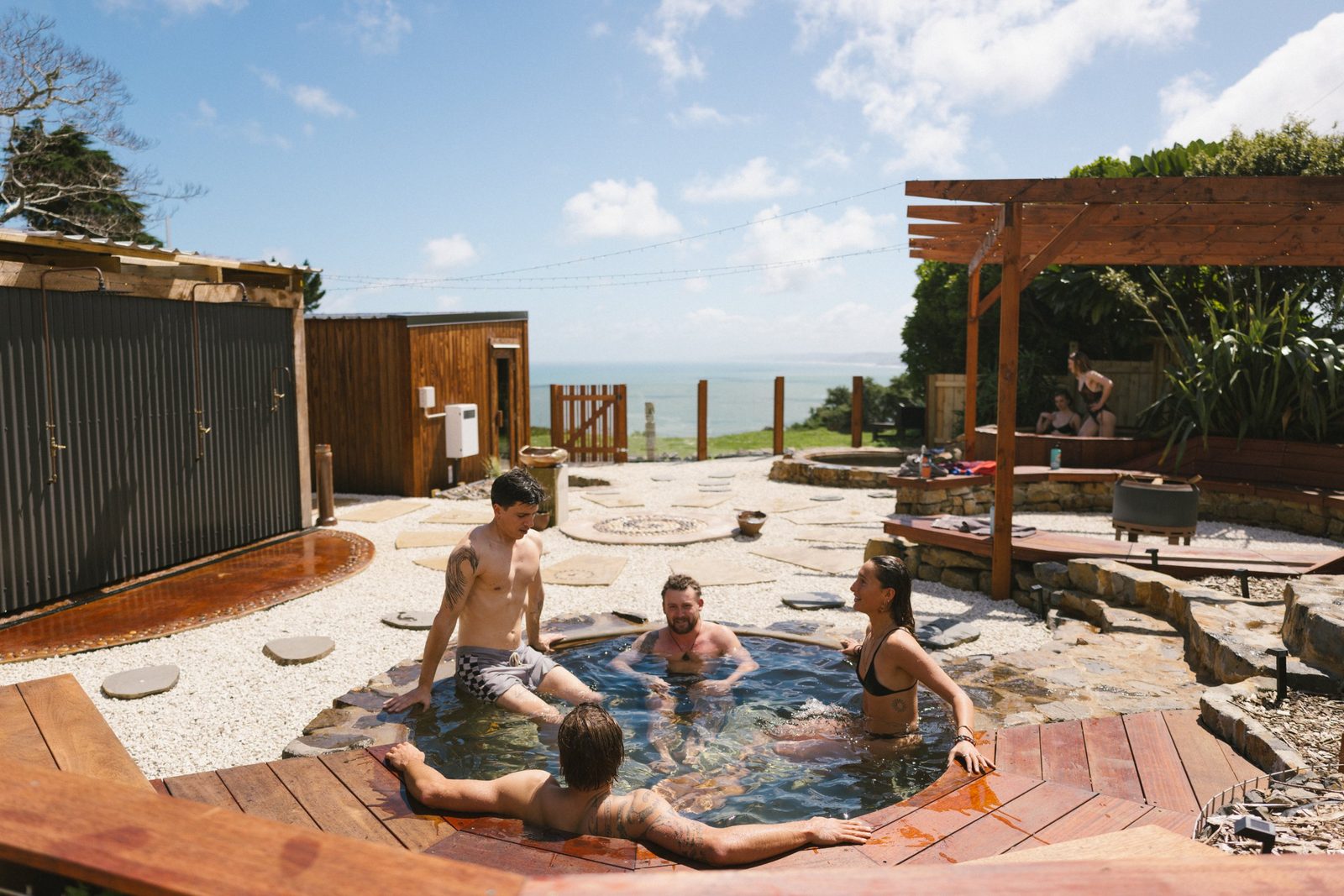
Alternating between a hot sauna and cold water, often called contrast therapy, is the classic Nordic routine: heat for 10 to 15 minutes, cold for anywhere from 10 seconds to 2 minutes, then rest and repeat. Here is how to do it well and what to plunge into.
A simple routine
- Sauna: 10 to 15 minutes at 80 to 100°C.
- Cold: a cold shower, then the plunge for 10 seconds to 2 minutes.
- Rest: 5 to 10 minutes sitting or lying down, warm up naturally.
- Repeat 2 to 3 times. Finish on cold if you need to stay alert, or on warm if you're heading to bed.
How cold should a cold plunge be?
Anything from just above 0°C to about 10°C works; it depends on your tolerance. Colder water needs a shorter dip. Build up slowly and stop well before you are shivering hard.
Cold plunge options
- Sea, lake or river. Free and beautiful, but temperature varies by season and you may cool down walking to it.
- Chest freezer conversion. The cheapest home option for private use: seal it, fill it, and run it a few hours every few days.
- Purpose-built plunge with a chiller. Holds a set temperature and filters the water, best for daily or commercial use, but expensive.
- Cold shower or bucket. The easiest start, and perfectly effective between rounds.
Safety
Cold water causes a gasp reflex, so enter slowly and never put your head under in very cold water. Don't plunge alone or after alcohol, and if you have a heart condition or high blood pressure, check with your doctor first.
Adding a plunge to a sauna business
Cold plunges are one of the main things that draw people to public saunas. Plan for power, drainage and daily cleaning; our mobile sauna business guide covers the facilities you'll need.
Ready for the hot half? Browse the sauna shop.
Fully framed outdoor saunas, built to order in Melbourne.